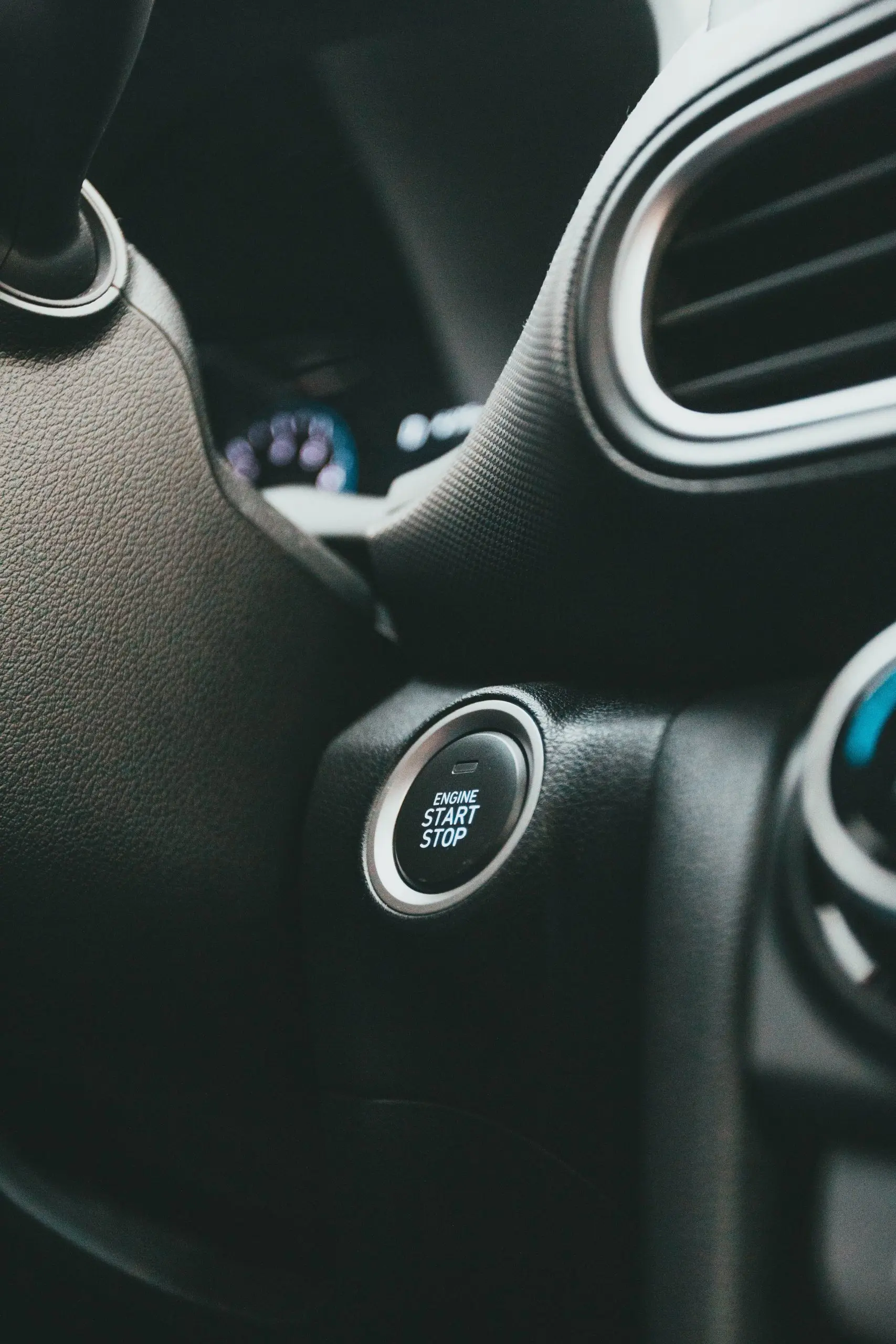
You turn the key, confident because the battery is brand new. Instead of the engine roaring to life, all you hear is a clicking sound. It feels confusing and frustrating. Many drivers assume a new battery means the car should start every time.
That single click or rapid clicking noise tells a different story. The problem often sits somewhere else in the starting system. This guide explains why a car clicks but won’t start even with a new battery and what steps can fix it.
What the Clicking Sound Really Means
A clicking sound usually comes from the starter system. When you turn the key, electricity should flow from the battery to the starter motor. The starter then spins the engine. Clicking means power is trying to move but cannot complete the job.
There are two common types of clicking:
- Single loud click: Power reaches the starter solenoid but the starter motor fails to turn.
- Rapid repeated clicks: Power flow is weak or interrupted, often due to wiring or connection issues.
A new battery removes one common cause, but it does not solve every electrical problem.
Loose or Corroded Battery Connections
Even with a fresh battery, poor connections can block power. Battery terminals must be clean and tight. Corrosion looks like white or blue powder around the terminals. This buildup acts like a wall, stopping electricity.
Loose clamps can also cause clicking. The battery may test fine, yet power cannot travel properly. Tightening and cleaning the terminals often solves the issue in minutes.
What to check
- Battery clamps fit snugly and do not move
- No corrosion on terminals or cables
- Ground cable securely attached to the frame or engine
Faulty Starter Motor
The starter motor does the hard work of turning the engine. Over time, its internal parts wear out. A new battery may deliver full power, but a failing starter cannot use it.
A single click often points to this problem. The solenoid clicks, yet the motor stays still. Heat can make the issue worse, so the car may start sometimes and fail at other times.
Common signs
- One loud click with no engine movement
- Car starts after tapping the starter lightly
- Problem happens more often when engine is hot
Bad Starter Solenoid
The starter solenoid acts like a gate. It receives power from the battery and sends it to the starter motor. If the solenoid fails, the motor never gets enough power.
A clicking sound often comes from the solenoid trying to engage. This part can fail on its own or as part of the starter assembly.
Why this happens
- Internal contacts burn over time
- Moisture causes corrosion
- Age and heat damage electrical parts
Weak or Damaged Battery Cables
Battery cables carry high current. If cables are damaged inside, they may look fine outside but fail under load. This hidden damage limits power flow and causes clicking.
Ground cables matter just as much as positive cables. A poor ground creates resistance and stops the starter from working.
Warning signs
- Warm cables after a start attempt
- Cracked or stiff insulation
- Green corrosion near cable ends
Failing Ignition Switch
The ignition switch sends the signal that starts the whole process. When it fails, power may not reach the starter system at all. This can cause clicking or complete silence.
This issue often appears with other electrical problems like dash lights flickering or accessories not working properly.
Clues to look for
- No response when turning the key
- Electrical features cut in and out
- Key feels loose or rough when turning
Neutral Safety Switch Problems
Automatic cars use a neutral safety switch to prevent starting in gear. If the switch fails or goes out of alignment, the starter will not engage.
Trying to start the car in neutral instead of park can reveal this issue. If it starts in neutral, the switch likely needs adjustment or replacement.
Symptoms
- Clicking sound with no start
- Car starts only in neutral
- Gear indicator not matching actual gear
Engine or Flywheel Issues
In rare cases, the engine itself may be stuck. A seized engine or damaged flywheel can stop the starter from turning the engine. The starter clicks as it tries and fails.
This problem usually comes with warning signs like loud grinding noises or smoke during earlier drives.
Signs of serious trouble
- Engine will not turn by hand
- Loud metal noises before failure
- Starter repeatedly fails after replacement
Blown Fuses or Faulty Relays
The starting system relies on relays and fuses. A blown fuse or bad relay can block power. Relays may click without passing electricity forward.
Checking the fuse box is quick and often overlooked. Swapping a relay with another similar one can confirm the problem.
What to inspect
- Starter relay condition
- Related fuses intact
- No burn marks in fuse box
Poor Engine Ground Connection
The engine needs a solid ground to complete the electrical circuit. If the ground strap is loose or corroded, power cannot return to the battery.
This creates symptoms similar to a dead battery even when the battery is new.
Easy checks
- Ground strap securely bolted
- No rust at contact points
- Clean metal surfaces at ground locations
How to Diagnose the Problem Step by Step
A clear plan saves time and money.
- Inspect battery terminals and cables
- Check ground connections
- Listen to the type of clicking sound
- Try starting in neutral
- Test starter and solenoid
- Inspect fuses and relays
Following this order helps narrow the cause quickly.
Can You Drive the Car Like This?
A clicking car that will not start cannot be driven. Repeated attempts can damage the starter or drain the new battery. It is best to stop trying and diagnose the issue.
Jump-starting may help in some cases, but it rarely fixes the root cause when the battery is already new.
When to Call a Mechanic
Some checks are simple and safe at home. Others need tools and experience. Call a professional if:
- Starter testing requires removal
- Electrical diagnosis feels confusing
- Engine problems are suspected
Early repair prevents deeper damage and higher costs.
How to Prevent This Problem in the Future
Regular checks reduce surprises.
- Clean battery terminals every few months
- Replace aging cables before failure
- Listen for slow cranking sounds
- Fix small electrical issues early
These habits keep the starting system reliable.
Final Thoughts
A car that clicks but won’t start with a new battery can feel puzzling. The battery often gets the blame, yet the real issue lies in the starter system, wiring, or safety switches. The clicking sound is a warning, not a mystery. With careful checks and timely repairs, the problem can be solved and prevented from returning. A new battery is only one part of the starting story, not the whole solution.