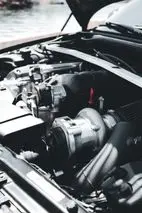
Your car’s engine gets very hot while running. Without something to cool it down, the engine can overheat and break. That’s where coolant comes in.
Coolant, also called antifreeze, is a special liquid that keeps your engine at the right temperature. It stops the engine from getting too hot in the summer and from freezing in the winter.
But sometimes, coolant can leak out. If this happens and you don’t fix it, your engine could be damaged. That’s why it’s important to know the signs of a coolant leak, what causes it, and how to fix it.
Section 1: Puddle Under Your Car
One of the easiest ways to spot a coolant leak is to look under your car after it’s been parked. If you see a bright-colored puddle—usually green, orange, pink, or yellow—it could be leaking coolant.
Coolant is slippery and sweet-smelling. Unlike water, it won’t dry up quickly, so you’ll notice it sitting under your car for a while.
What it means:
There may be a leak in the radiator, a cracked hose, a damaged water pump, or a loose connection. These parts carry coolant through the engine. When something breaks or loosens, coolant leaks out.
What you should do:
Check the ground under your car often. If you see a new puddle, place cardboard under your vehicle overnight to track where the leak is coming from. Then look under the hood to see if anything looks wet or cracked.
Section 2: Overheating Engine
Your car has a temperature gauge on the dashboard. If this gauge rises quickly while you’re driving or if you see steam coming from under the hood, it means your engine is overheating. This is one of the most serious signs of a coolant leak.
What it means:
Coolant is either leaking or completely gone, so your engine can’t stay cool. When the engine overheats, it can warp metal parts, damage seals, or even cause the head gasket to fail.
What you should do:
Pull over right away and turn off the engine. Do not keep driving. Let the engine cool down before opening the hood. Once it’s cool, check the coolant level in the reservoir. If it’s low, you’ll need to top it off and figure out where the leak is coming from before driving again.
Section 3: Low Coolant Warning Light
Most modern cars have a dashboard warning light that tells you when coolant is low. It might look like a thermometer in water or simply say “Coolant Low.”
What it means:
There’s not enough coolant in your system. This could be because of a leak, or it may be due to evaporation over time. Either way, the engine won’t be able to stay at the right temperature.
What you should do:
Stop and check the coolant level. If it’s low, refill it with the proper coolant (check your car’s manual). But remember, adding coolant is only a temporary fix. You still need to find and fix the source of the leak.
Section 4: Sweet Smell from the Engine
If you smell something sweet while driving or after you stop, it could be coolant leaking onto a hot engine part and burning off. This smell is often one of the first signs people notice before they even see a leak.
What it means:
Coolant could be dripping from a loose or damaged hose and landing on a hot engine, which makes it produce a strong, sugary scent.
What you should do:
Pop the hood (once the engine is cool) and look for wet or sticky spots, especially around hose connections or the radiator. If you find any damp areas that smell sweet, you likely found the leak.
Section 5: White Smoke from the Exhaust
Normally, your exhaust pipe lets out a little steam or smoke when you start your car, especially in cold weather. But if you see thick white smoke coming from the exhaust while the engine is hot, that’s not good.
What it means:
Coolant may be leaking into the engine’s combustion chamber due to a blown head gasket. This is one of the most serious types of coolant leaks because the engine is burning coolant, not just losing it.
What you should do:
Stop driving and have the car towed to a repair shop. Fixing a head gasket is a big job that usually requires a professional mechanic. If ignored, it can destroy the engine.
Section 6: Rust or Discoloration Around the Engine
Even if coolant isn’t leaving a puddle on the ground, it can still leak and dry up before hitting the floor. This type of slow leak can leave behind chalky white or rusty brown marks around hoses, the radiator, or the engine block.
What it means:
You may have a small leak that doesn’t drip much but still lets coolant escape over time. These leaks are hard to spot unless you regularly check under the hood.
What you should do:
Inspect the engine for odd stains or crusty build-up. Clean the area, then check again in a few days. If the stains come back, you’ve likely found a leak.
What Causes Coolant Leaks?
Here are some of the most common reasons coolant leaks happen:
- Old hoses – Rubber hoses can crack and wear out over time.
- Worn water pump – This pump pushes coolant through the system. If it fails, coolant can leak.
- Loose clamps – The metal rings that hold hoses in place can come loose.
- Cracked radiator – The radiator can corrode or get damaged by rocks or road salt.
- Blown head gasket – This serious problem lets coolant leak inside the engine.
How to Fix a Coolant Leak
Step 1: Identify the Leak
Use cardboard or paper towels under your car to trace where it’s dripping. Then inspect the engine area for visible cracks or damp spots.
Step 2: Add Coolant
If the coolant level is low, add more of the correct type. Only do this when the engine is cool. Never open the radiator cap on a hot engine — it could spray hot fluid and burn you.
Step 3: Repair or Replace the Damaged Part
- Hoses and clamps can be replaced at home with a screwdriver and some time.
- Radiators and water pumps may require professional help.
- Blown head gaskets are not DIY repairs — take the car to a shop.
Is It Safe to Drive with a Coolant Leak?
If the leak is small and your coolant level stays steady, you might be able to drive short distances.
But you should fix the problem as soon as possible. A big leak or low coolant level can lead to engine overheating in minutes, which can cause thousands of dollars in damage.
When in doubt, it’s best to stop driving and get your vehicle inspected.
How to Prevent Coolant Leaks
Here are a few simple things you can do to avoid problems:
- Check coolant levels every month
- Inspect hoses and clamps every oil change
- Flush and replace coolant as recommended by your car’s manual
- Look under your car for leaks after parking overnight
Final Thoughts
Coolant leaks might start small, but they can quickly lead to big trouble. Knowing the signs—like puddles, overheating, or sweet smells—can help you catch a problem before it gets worse.
Always act quickly. A little effort now can save you from expensive engine repairs later.
Take care of your car, and it will take care of you. Stay safe on the road!