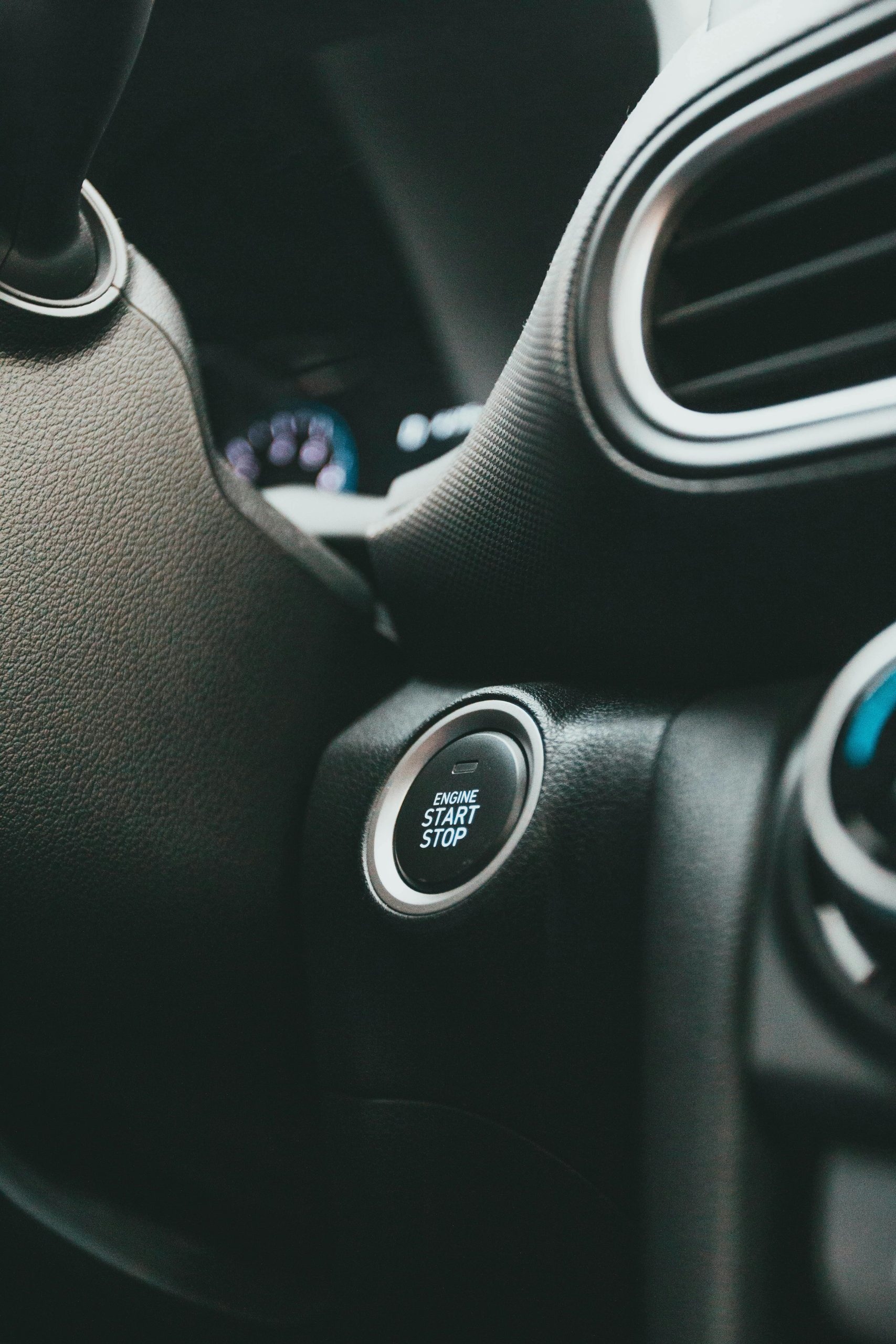
A bad starter motor can leave your car immobile, making it essential to recognize the symptoms and pinpoint the problem.
Diagnosing a starter motor issue may seem complex, but with the right steps, it’s straightforward and manageable.
This guide will walk you through how to identify if your starter motor is the culprit behind your car troubles.
What Is a Starter Motor?
Before diving into diagnostics, it’s essential to understand what a starter motor does.
A starter motor is a small electric motor connected to your car’s engine. Its job is to start the engine by turning it over when you turn the key or push the start button. When the starter motor fails, the engine won’t crank, and your car won’t start.
Common Signs of a Bad Starter Motor
A failing starter motor often shows symptoms before it completely breaks down.
Keep an eye (and ear) out for these signs:
- No Response When You Turn the Key
If you turn the key and hear nothing; not even a clicking sound, the starter motor might not be receiving power. - Clicking Noise
A single or repeated clicking noise when trying to start your car can indicate a bad starter motor or a weak battery. - Grinding Noise
A grinding sound could mean the starter motor gear isn’t engaging correctly with the engine’s flywheel. - Intermittent Starting Problems
If your car starts sometimes and fails other times, the starter motor may have worn-out parts or electrical issues. - Burning Smell
An overheated starter motor or electrical short can produce a noticeable burning odor near the engine.
Step-by-Step Guide to Diagnosing a Bad Starter Motor
Follow these simple steps to figure out if your starter motor is the problem:
1. Check the Battery First
- Why: A weak or dead battery can mimic starter motor issues. Before jumping to conclusions, confirm the battery is fully charged and functioning.
- How to Check:
- Use a multimeter to measure the battery voltage. A healthy battery should read around 12.6 volts.
- Try jump-starting the car. If it starts, the battery or its connections may be the issue, not the starter motor.
2. Inspect the Electrical Connections
- Why: Loose, corroded, or damaged wires can prevent the starter motor from working.
- How to Check:
- Look for corrosion or damage on the battery terminals and clean them if necessary.
- Ensure the wires connected to the starter motor are secure and in good condition.
3. Listen for the Click
- Why: The starter solenoid, a small component attached to the starter motor, makes a clicking sound when it tries to engage.
- How to Check:
- Turn the key in the ignition. If you hear a single click or no click at all, it could mean the solenoid or starter motor is bad.
4. Tap the Starter Motor
- Why: Sometimes, a stuck starter motor can be temporarily freed by a light tap.
- How to Check:
- Locate the starter motor (refer to your car manual if needed).
- Use a hammer or wrench to gently tap the starter motor while someone else turns the key. If the car starts, the motor likely has worn-out internal parts.
5. Test the Starter Motor
- Why: Directly testing the starter motor ensures it’s the source of the issue.
- How to Check:
- Remove the starter motor and take it to a local auto parts store. Most stores offer free testing to confirm whether the motor is functional.
6. Check for Grinding or Strange Noises
- Why: Grinding sounds indicate that the starter motor’s gear may not be aligned with the engine flywheel.
- How to Check:
- Listen carefully when attempting to start the car. Grinding usually points to a worn-out gear or flywheel teeth.
When to Replace the Starter Motor
If the above steps confirm that the starter motor is the issue, it’s time to replace it. A new or refurbished starter motor can restore your car’s functionality. Consult your car manual or a trusted mechanic to ensure the correct replacement part.
Prevention Tips to Extend the Life of Your Starter Motor
- Maintain a Healthy Battery
A weak battery forces the starter motor to work harder, leading to faster wear. - Check Electrical Connections Regularly
Prevent corrosion and ensure all wires are securely attached. - Avoid Excessive Starting Attempts
Repeated attempts to start your car when it’s not running properly can damage the starter motor.
When to Seek Professional Help
If you’re unable to identify the problem or lack the tools to perform these checks, it’s best to consult a professional mechanic. Diagnosing and replacing a starter motor can be challenging without the proper knowledge or equipment.
Conclusion
Diagnosing a bad starter motor doesn’t have to be intimidating. By checking the battery, inspecting connections, listening for unusual sounds, and testing the starter motor itself, you can quickly identify if it’s the root cause of your car troubles.
With this step-by-step guide, you’ll save time and potentially avoid unnecessary repairs.
If you’re ever in doubt, don’t hesitate to seek professional advice. A little preventative care and timely diagnosis can go a long way in keeping your car running smoothly!